
The Magic Of Ratnagiri Alphonso
Among all the mango varieties India proudly grows, Ratnagiri Alphonso stands alone with a unique GI tag recognition that protects its name, origin and reputation. This status is a powerful signal to global buyers that the fruit in their box is not a random “Alphonso”, but the original Konkan Hapus grown on the rugged coastal slopes of Ratnagiri and neighbouring GI notified districts.
The Konkan belt’s laterite soil, salty sea breeze, heavy monsoon and bright, steady sunshine work together to create a mango with exceptionally rich aroma, deep saffron colour and a creamy, fibreless texture that other regions simply cannot copy. Over generations, farmers in Ratnagiri have refined pruning, flowering, manuring and ripening practices that preserve this character, turning Ratnagiri Alphonso into a seasonal luxury fruit across India, the Middle East, Europe and East Asia.
What A GI Tag Really Means
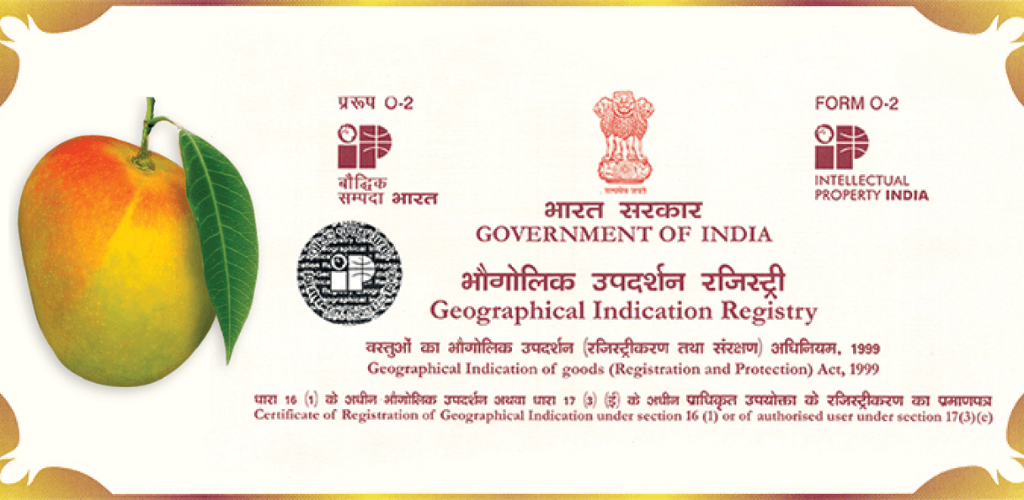
A Geographical Indication (GI) is a special type of intellectual property that links a product’s name to a particular region and its unique natural and cultural features. For Alphonso mango, the GI registration ensures that only fruits grown in approved Konkan districts such as Ratnagiri, Sindhudurg, Raigad, Palghar and Thane can legally use the protected “Alphonso/Ratnagiri Alphonso” identity in trade.
Unlike a private trademark, which belongs to an individual person or company, a GI belongs collectively to the community of registered producers and their association in that region. The law recognizes that the product’s value comes from shared traditional know how, local ecosystems and cultural practices, so the benefits of the GI must also flow back to that community.
GI vs Trademark vs Patent
Many exporters casually mix up the terms “GI tag”, “trademark” and “patent”, but they serve very different purposes. Understanding this difference can save both money and legal trouble, especially when building a long term mango export brand.
| Aspect | Geographical Indication (GI) | Trademark | Patent |
|---|---|---|---|
| Core idea | Protects region specific product linked to place and tradition | Protects brand name/logo of a business | Protects a new technical invention or process |
| Ownership | Collective association and authorised local producers | Private person or company | Private inventor or assignee company |
| Scope of use | Only for goods from defined region with set specifications | Any goods/services, any location | Any industry where invention is applied |
| Duration | 10 years, renewable repeatedly as long as link to region exists | 10 years, renewable with fees | Usually 20 years from filing, then expires |
| Transferability | Cannot be sold away from region; stays with producer community | Can be sold, licensed, franchised | Can be assigned or licensed |
| Benefit focus | Local farmers, regional economy, cultural heritage | Brand owner’s market power and recognition | Inventor’s R&D reward and exclusivity |
How The GI Tag Protects You
Once a GI is registered, only authorised users who meet the production rules can legally use the GI name and logo on their products. For Ratnagiri Alphonso, this means genuine Konkan farmers and packers can distinguish their fruit from look alike mangoes sold under confusing names in big Indian cities and foreign markets.
The GI registration is valid for 10 years at a time and can be renewed indefinitely, as long as the producers maintain the link between the product and its geographical, climatic and cultural base. Associations and registered users can approach courts, customs and enforcement agencies to stop counterfeit use of the GI name, misleading packaging or blended fruit being passed off as genuine Ratnagiri Alphonso.
Why Only Ratnagiri Alphonso Stands Out
India grows dozens of celebrated mango varieties Kesar, Dasheri, Langra, Banganapalli, Mallika and more but the story and legal status of Ratnagiri Alphonso are distinct. The GI tag not only recognises the fruit’s natural superiority, it also certifies a traceable production ecosystem stretching from orchards to pack‑houses and export warehouses in GI‑linked Konkan districts.
International buyers in high value markets such as Japan, the UAE and the European Union increasingly ask specifically for GI certified Ratnagiri Alphonso because they associate the tag with authenticity, controlled ripening, food‑safety documentation and consistent eating quality. For importers handling premium retail chains, this recognition reduces risk: they know that if a consignment claims to be Ratnagiri Alphonso with GI backing, it has passed through a defined certification and traceability process.
How Farmers Become Authorised GI Users
The GI tag for Ratnagiri Alphonso is held in the name of an association that represents local growers and traders, and this association issues certificates to authorised users who meet its standards. A farmer or aggregator typically has to submit orchard details, land records, plot maps, cropping patterns and proof that the mangoes come from notified villages or talukas within the GI zone.
Some associations and state agencies also support digital traceability platforms, where each box of mangoes carries a QR code or unique number linked back to the orchard, harvest date and pack‑house. The cost of running the association, audits and record keeping is recovered through registration fees, annual subscription or per box charges shared by all authorised users, ensuring that the system remains community driven rather than controlled by any single private company.
Fighting Adulteration And Fake “Alphonso”
Modern supply chains have become long and complex, with multiple middlemen and repackers between the Konkan farmer and a European or Gulf supermarket shelf. This complexity has encouraged problems like carbide or ethephon ripening, mixing cheaper varieties with Alphonso, relabelling non GI fruit as “Ratnagiri Hapus” or using packaging designs that imitate genuine exporters.
GI protection works alongside food safety and consumer protection laws to close these loopholes. If a trader in another state or country uses the Ratnagiri Alphonso name without sourcing from certified GI producers, authorised users can file civil or criminal actions, seek seizure of goods at ports, and demand corrective labelling or compensation for unfair competition. This legal backing discourages counterfeits, protects honest farmers’ price realisations and reassures consumers that the premium they pay buys genuine quality, not clever marketing.
Why Global Consumers Care About GI
Today’s mango lovers especially in Europe, Japan, North America and premium segments in the Middle East are far more informed and demanding than a decade ago. They read labels, scan QR codes, look up farm stories online and share experiences on social media when a seasonal fruit meets or disappoints their expectations.
For them, the Ratnagiri Alphonso GI tag signals:
Authentic origin from Konkan’s coastal orchards, not from anonymous inland plantations.
Time‑tested, low residue cultivation and controlled ripening practices that respect both flavour and safety.
A traceable, audited supply chain, often supported by additional certifications like organic, Global G.A.P. or APEDA approved pack houses.
This combination of heritage and proof builds trust. When a consumer experiences the rich aroma, thin peel, deep golden flesh and complex sweetness of a true Ratnagiri Alphonso, the GI tag on the box becomes not just a legal symbol but an emotional marker of a once a year indulgence.
Key Benefits For Konkan Producers
For genuine farmers and exporters from Ratnagiri and the broader Konkan GI belt, the tag is more than a logo it is a business tool. Used properly, it can support higher price realisation, better market access and stronger long term contracts.
Main advantages include:
Price premium: Buyers accept higher rates for certified GI mangoes because they can justify premium retail pricing to customers.
Market differentiation: In crowded wholesale markets, a GI marked box stands out from generic “Alphonso” cartons.
Legal shield: Producers have a clear basis to act against misleading branding or unfair competition using the Ratnagiri Alphonso name.
Community branding: Instead of competing only as individual farms, Konkan producers share a collective identity that is difficult for other regions to copy.
Over time, this collective strength helps secure better infrastructure investments, export facilitation, pack house upgrades and promotional campaigns focused on the region’s heritage fruit.
Practical Tips For Buyers, Importers And Traders
If you are a retailer, importer or bulk buyer who wants to offer only genuine Ratnagiri Alphonso to your customers, a few straightforward checks can make all the difference.
Look for:
Clear mention of “Ratnagiri Alphonso” and GI reference on cartons and documentation, not just generic “Alphonso”.
GI linked certificates or membership proof from the association, plus any Mangonet or similar traceability IDs where applicable.
Farm addresses or pack house details located within notified Konkan districts like Ratnagiri and Sindhudurg.
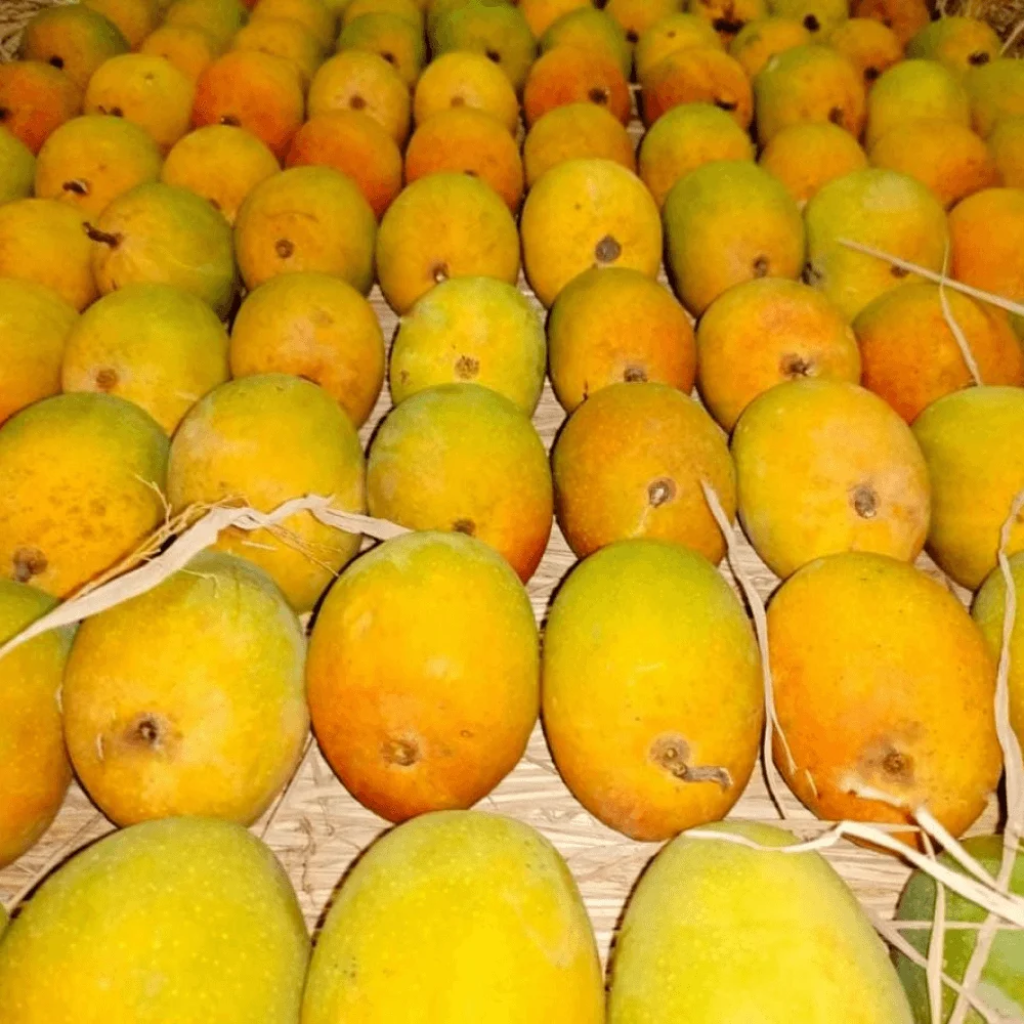
Consistent fruit characteristics: medium‑sized, naturally yellow to golden skin with a slight blush, rich aroma even at room temperature, and deep saffron flesh with minimal fibre.
For serious buyers, visiting the region once before the season, meeting producer groups and walking through the orchards creates a level of confidence that no brochure can match. When that relationship is paired with GI protection, both sides enjoy a season after season partnership built on transparency and shared respect for the “King of Mangoes”.