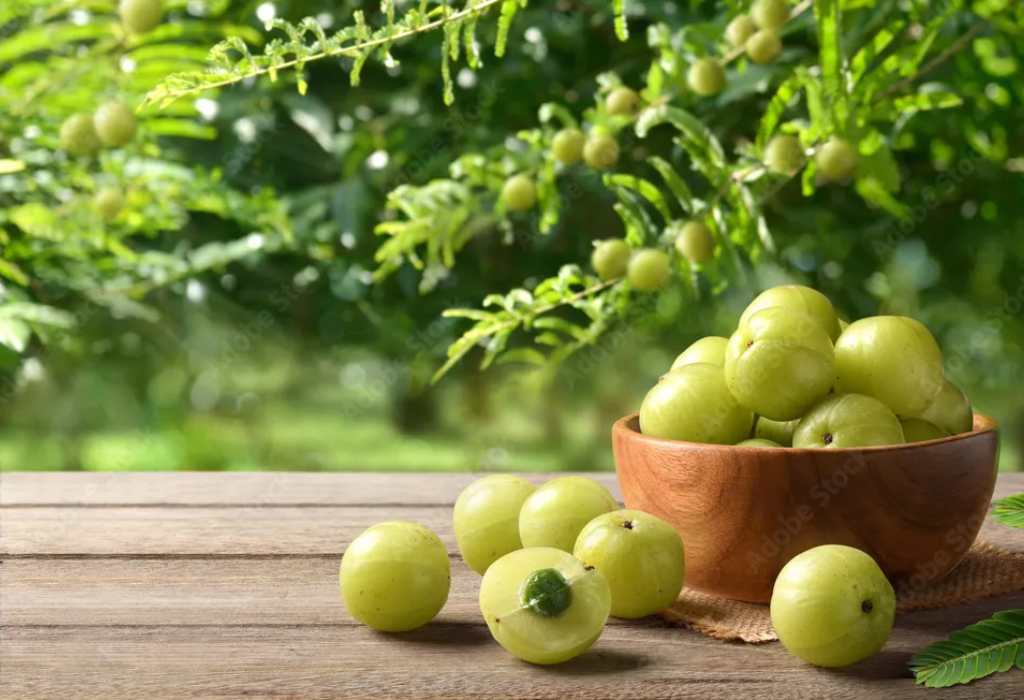
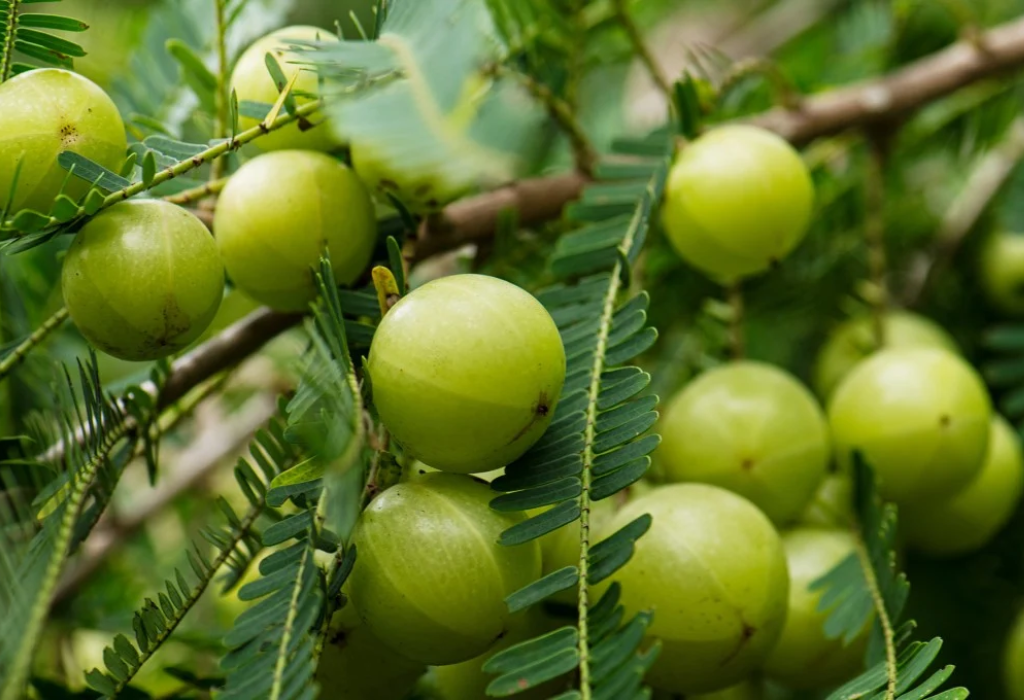
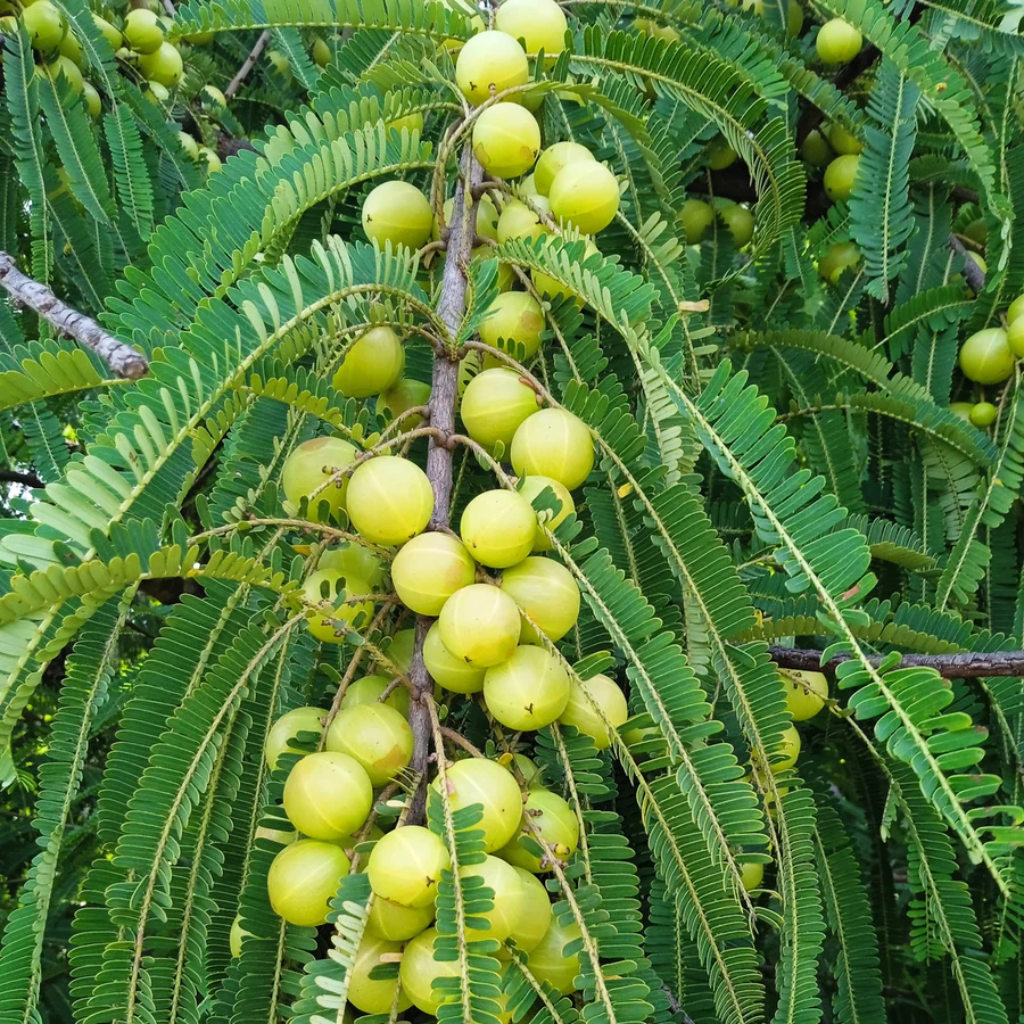
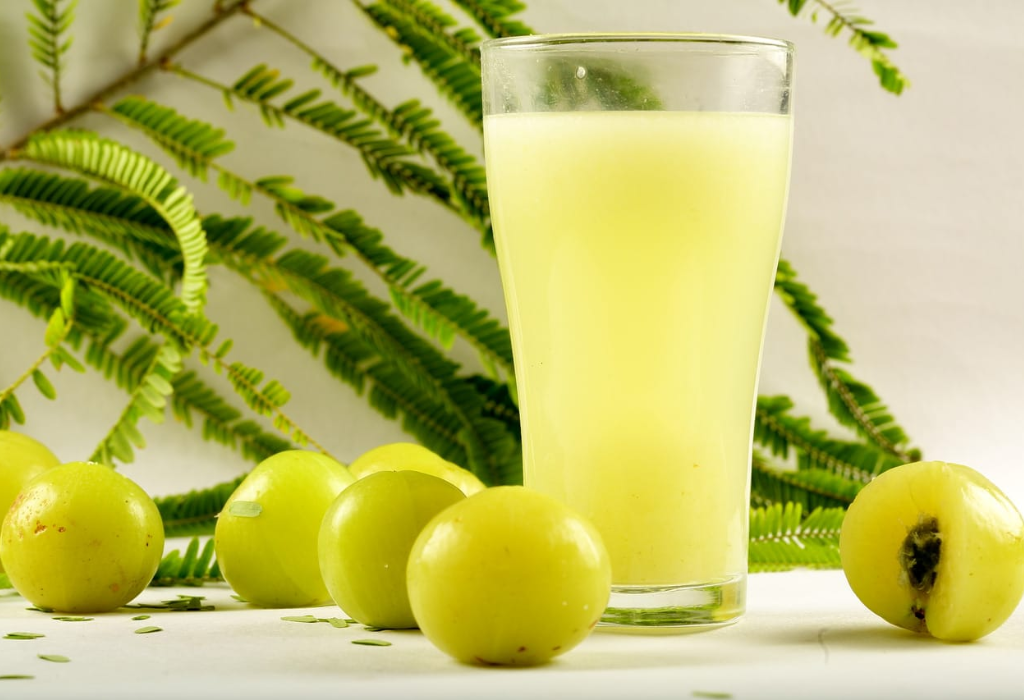
In a world rediscovering natural wellness, few ingredients carry the legacy, science, and cultural depth of Amla, also known as Indian Gooseberry. Among its many traditional preparations, Amla Sharbat stands out as a timeless beverage refreshing, restorative, and deeply rooted in India’s food and medicinal heritage.
From ancient Ayurvedic texts to modern health conscious markets, Amla Sharbat represents more than just a drink. It is a story of nature, nutrition, tradition, and opportunity especially for regions like Konkan, where agro based livelihoods and natural abundance go hand in hand.
The Importance of Amla in Indian Wellness
Amla (Emblica officinalis or Phyllanthus emblica) is regarded as one of the most powerful natural fruits in Indian tradition. Its importance lies not just in its nutrient profile, but in its holistic impact on the human body.
Why Amla Is Considered a Superfruit
Exceptionally rich in natural Vitamin C
Contains polyphenols, flavonoids, and antioxidants
Balances all three doshas in Ayurveda (Vata, Pitta, Kapha)
Supports immunity, digestion, metabolism, and skin health
Amla Sharbat transforms this potent fruit into a daily, drinkable wellness format, making its benefits accessible across ages and climates.
Origin and Journey of Amla: From Forests to Farms
Amla is indigenous to the Indian subcontinent. Its journey spans thousands of years, evolving from wild forest fruit to cultivated agro produce.
Botanical and Geographical Origin
Botanical name:Phyllanthus emblica
Native to India, Sri Lanka, and Southeast Asia
Thrives in tropical and subtropical climates
Grows well in laterite and well-drained soils, common in Konkan
Historically, Amla trees were found near temples, forests, and village commons respected not only for fruit but also for their medicinal and spiritual significance.
Varieties of Amla and Their Original Names
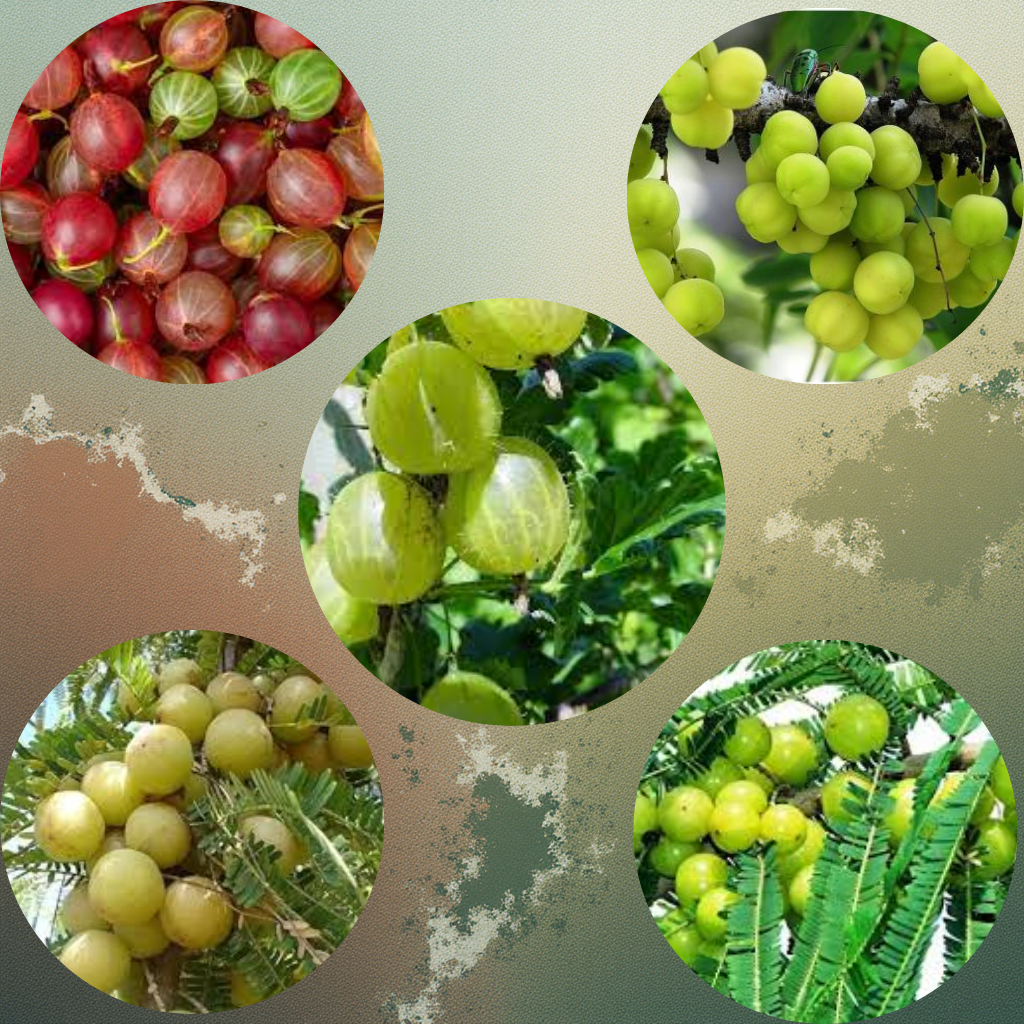
India cultivates multiple varieties of Amla, each suited to different climatic and commercial needs.
Major Amla Varieties in India
Banarasi Amla – Large size, juicy, ideal for processing
Chakaiya – High fibre, suitable for preserves and sharbat
Francis (Hathijhool) – Popular in commercial orchards
NA-7 / NA-10 – Improved varieties with high yield
Kanchan – Disease resistant, good pulp recovery
These varieties form the backbone of processed Amla products, including sharbat, murabba, candy, and powders.
Amla Sharbat: Traditional Preparation and Philosophy
Amla Sharbat is not a modern invention. It evolved as a seasonal health drink, especially consumed during hot Indian summers.
Traditional Preparation Method
Fresh Amla fruits are washed and deseeded
Pulp or juice is extracted using cold methods
Natural sweeteners (jaggery or sugar) are added
Infused with herbs like:
Ginger
Black pepper
Mint
Preserved naturally without synthetic additives
The focus was always on balance, digestion, and cooling the body, rather than just taste.
Health Benefits of Amla Sharbat for the Human Body
Amla Sharbat is considered a functional beverage nutritional, therapeutic, and preventive.
Key Health Benefits
Boosts immunity and resistance
Improves digestion and gut health
Supports liver detoxification
Regulates blood sugar levels
Enhances skin glow and hair strength
Acts as a natural coolant in hot climates
For global consumers seeking clean label, plant based wellness drinks, Amla Sharbat fits perfectly.
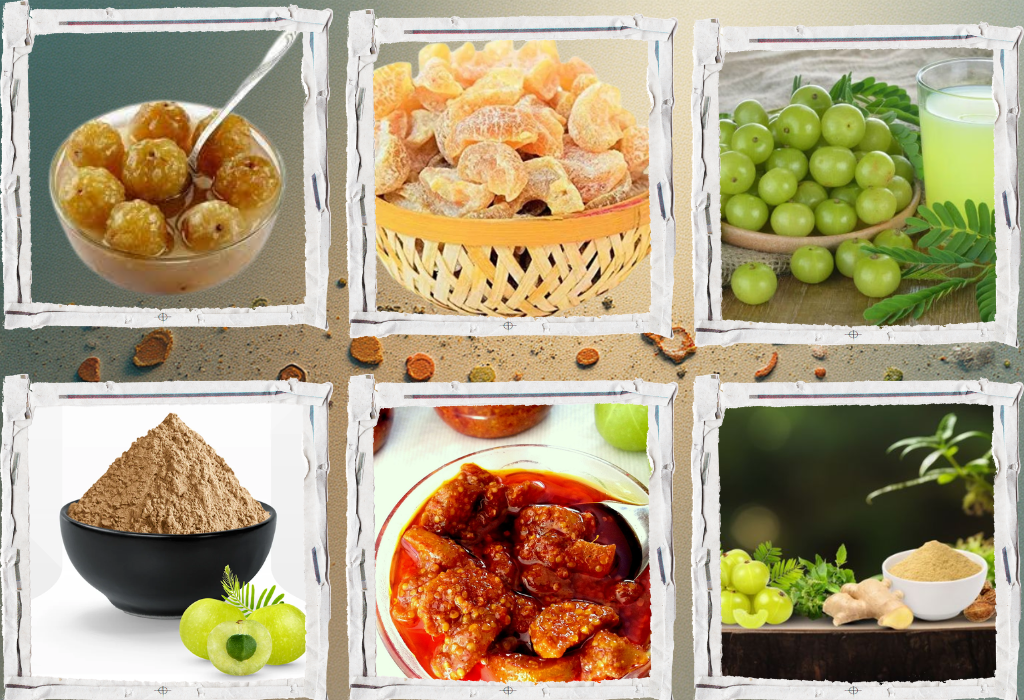
Other Value Added Products Made from Amla
Beyond sharbat, Amla offers diverse processing opportunities.
Amla Based Products
Amla Murabba
Amla Candy (dry & coated)
Amla Juice (concentrate)
Amla Powder
Amla Pickle
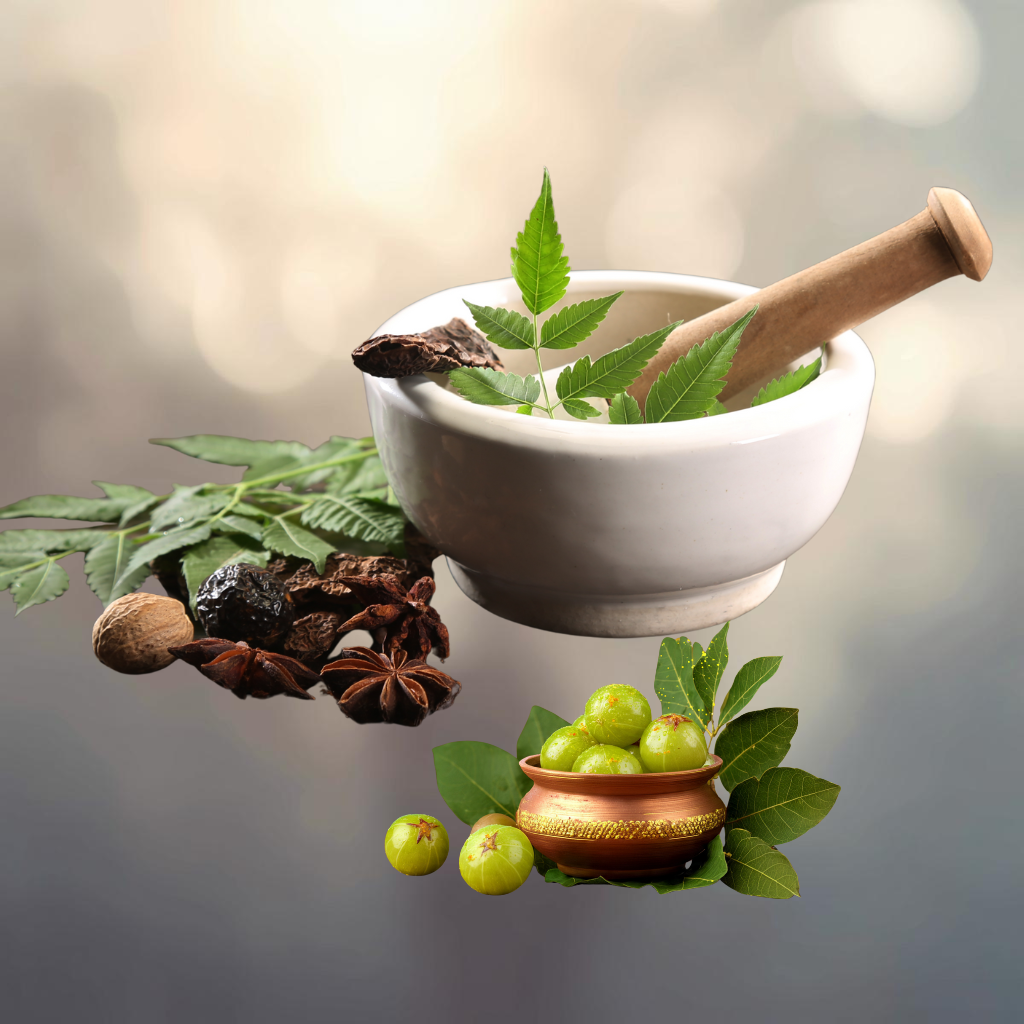
Herbal formulations & nutraceutical blends
These products extend shelf life and create export ready formats for international markets.
Amla in Indian History and Cultural Traditions
Amla is deeply woven into Indian culture.
Cultural & Historical Significance
Mentioned in Charaka Samhita and Sushruta Samhita
Associated with longevity and rejuvenation
Used in Chyawanprash, one of India’s oldest health formulations
Revered in Hindu traditions as a sacred tree
Amla Sharbat, therefore, is not just a drink it is a living tradition.
The Emotional and Agricultural Role of Amla in Konkan
In Konkan, Amla is more than a crop it is an emotion.
Konkan’s Relationship with Amla
Grown in mixed orchards with mango, jackfruit, coconut
Supports small and marginal farmers
Minimal chemical input due to hardy nature
Ideal for sustainable agro processing
Local families have passed down sharbat recipes through generations, making Amla a symbol of home, health, and heritage.
Commercial and Business Potential of Amla Sharbat
With the global shift toward natural beverages, Amla Sharbat holds strong commercial promise.
Market Advantages
Rising demand for herbal drinks
Suitable for UAE, GCC, Europe, and Asia
High acceptance in Indian diaspora markets
Aligns with organic and wellness retail trends
Business Opportunities
Bulk supply of Amla concentrate
Private label Amla Sharbat
Export of shelf-stable formulations
HORECA and retail distribution
For agro exporters, Amla Sharbat represents a high-value, story driven product.
Amla Sharbat and the Future of Indian Agro Exports
As global buyers look for:
Traceability
Authentic sourcing
Functional nutrition
India’s traditional products like Amla Sharbat are gaining renewed importance.
Why Global Buyers Are Interested
Proven health benefits
Long cultural credibility
Flexible formulations
Competitive sourcing from regions like Konkan
Conclusion: Amla Sharbat Where Tradition Meets Opportunity
Amla Sharbat is a bridge between ancient wisdom and modern wellness. It carries the purity of Indian farms, the science of Ayurveda, and the promise of sustainable agro business.
From Konkan’s fertile lands to global shelves, this humble drink tells a powerful story of health, heritage, and hope.
For producers, exporters, and conscious consumers alike, Amla Sharbat is not just refreshing. It is relevant, resilient, and ready for the world.