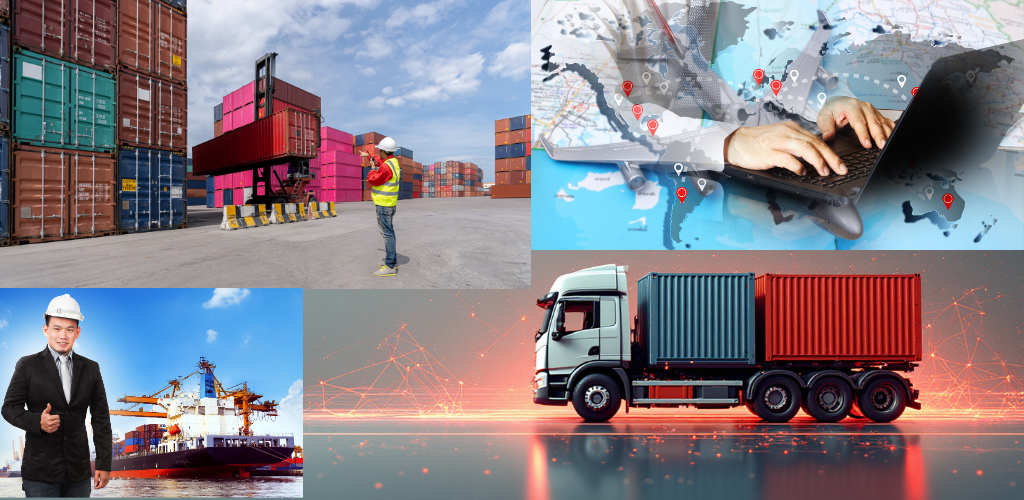
In today’s interconnected world, Import Export business is not just about buying and selling goods across borders. It is about understanding systems, regulations, logistics, finance, risk management, and global relationships.
For a country like India with its rich agricultural base, manufacturing strength, and service expertise import export offers unlimited global opportunities. This blog is designed to take you from absolute basics to advanced professional understanding, step by step, in a simple and practical way.
What is Export & Import?
What is Export?
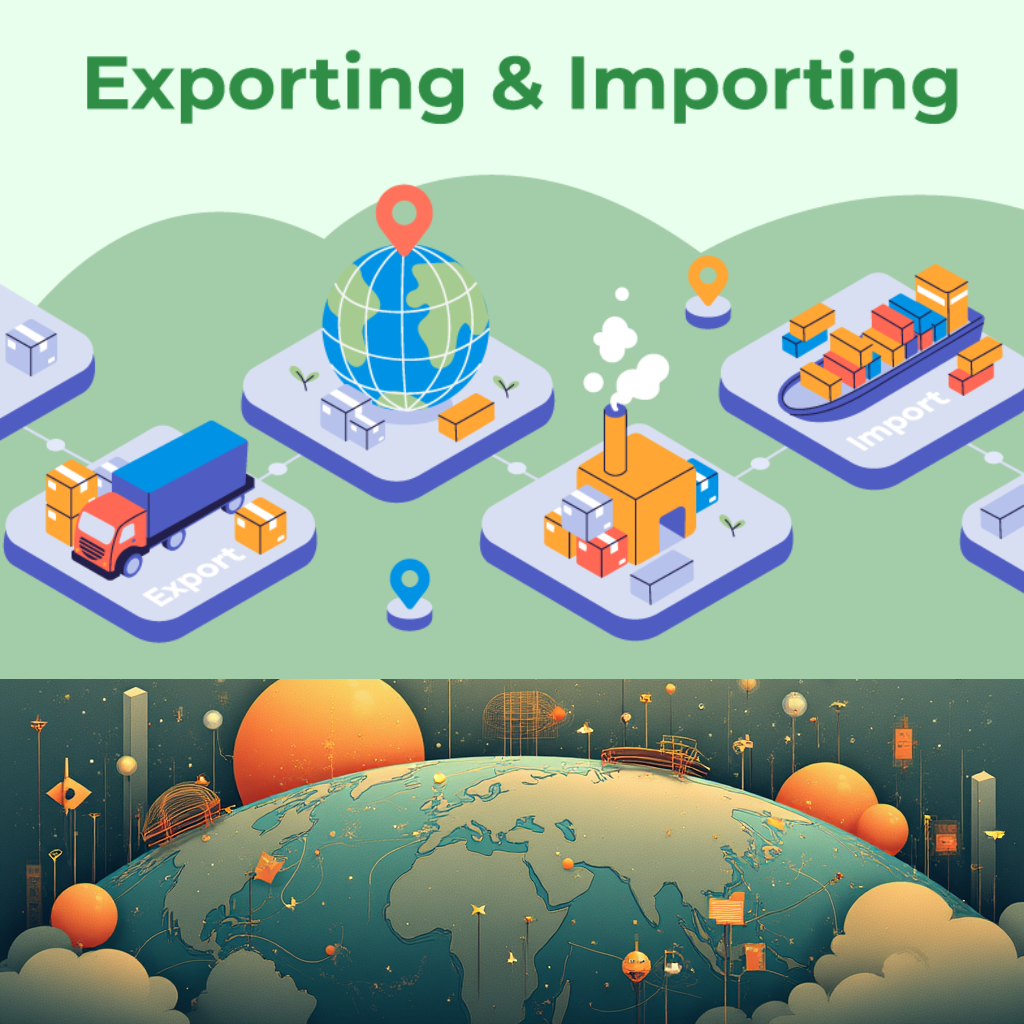
Export means selling goods or services produced in one country to buyers in another country.
What is Import?
Import means purchasing goods or services from another country for use or resale in your own country.
👉 In simple words: Export = Selling abroad | Import = Buying from abroad
Understanding these two definitions is the foundation of international trade.
Trade Cycle Export Cycle & Import Cycle
Export Cycle
The export process follows a clear sequence:
Product selection
Market research
Buyer identification
Price quotation & negotiation
Order confirmation
Manufacturing or sourcing
Packaging & labeling
Documentation
Customs clearance
Shipment
Payment realization
Each step is interconnected. A mistake in one stage can affect the entire transaction.
Import Cycle
The import cycle includes:
Supplier identification
Quality and price comparison
Contract finalization
Import licensing (if applicable)
Shipment
Customs clearance
Delivery and payment
👉 Knowing the trade cycle helps you avoid delays, penalties, and financial loss.
Business Registration for Import Export
Before starting, proper registration is mandatory.
Basic Registrations Required:
Proprietorship / Partnership / Private Limited Company
GST Registration
MSME (Udyam Registration)
Current Account in Bank
Import Export Code (IEC)
👉 IEC is the backbone of the import export business in India. Without IEC, you cannot legally export or import goods.
Types of Exporter & Importer
Types of Exporters
Manufacturer Exporter – produces and exports own goods
Merchant Exporter – buys from manufacturers and exports
Service Exporter – exports services like IT, consultancy, logistics, etc.
Types of Importers
Actual User Importer – imports for own use
Trader Importer – imports for resale
Government / PSU Importer – imports for public sector use
Understanding your category helps in compliance and benefits.
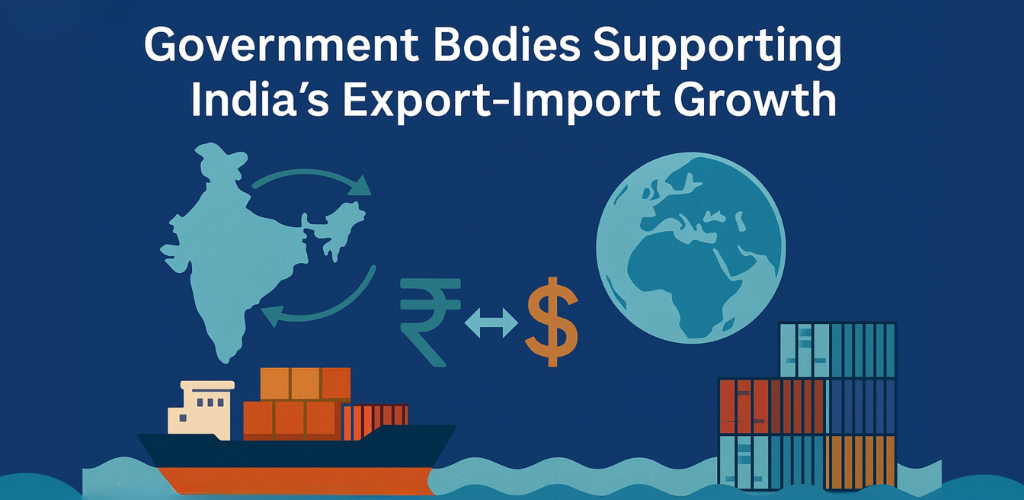
Indian Government Bodies Supporting Trade
Several Indian government institutions regulate and support export import activities:
DGFT (Directorate General of Foreign Trade)
Customs Department
APEDA
Spices Board
ECGC
EXIM Bank
Export Promotion Councils (EPC)
👉 These bodies regulate, protect, finance, and promote exporters.
Steps to Start Import Export Business
Here is a simplified roadmap:
Select the right product
Study international demand
Complete registrations
Decide pricing & Incoterms
Find buyers or suppliers
Finalize payment terms
Prepare documents
Ship goods
Track payment
Consistency and documentation discipline are key to success.
Major Key Players in Import Export Business
An international trade transaction involves multiple stakeholders:
Exporter / Importer
Customs House Agent (CHA)
Freight Forwarder
Shipping Line / Airline
Bank
Insurance Company
Inspection Agency
👉 Strong coordination with these players ensures smooth execution.
HS Code & Product Selection
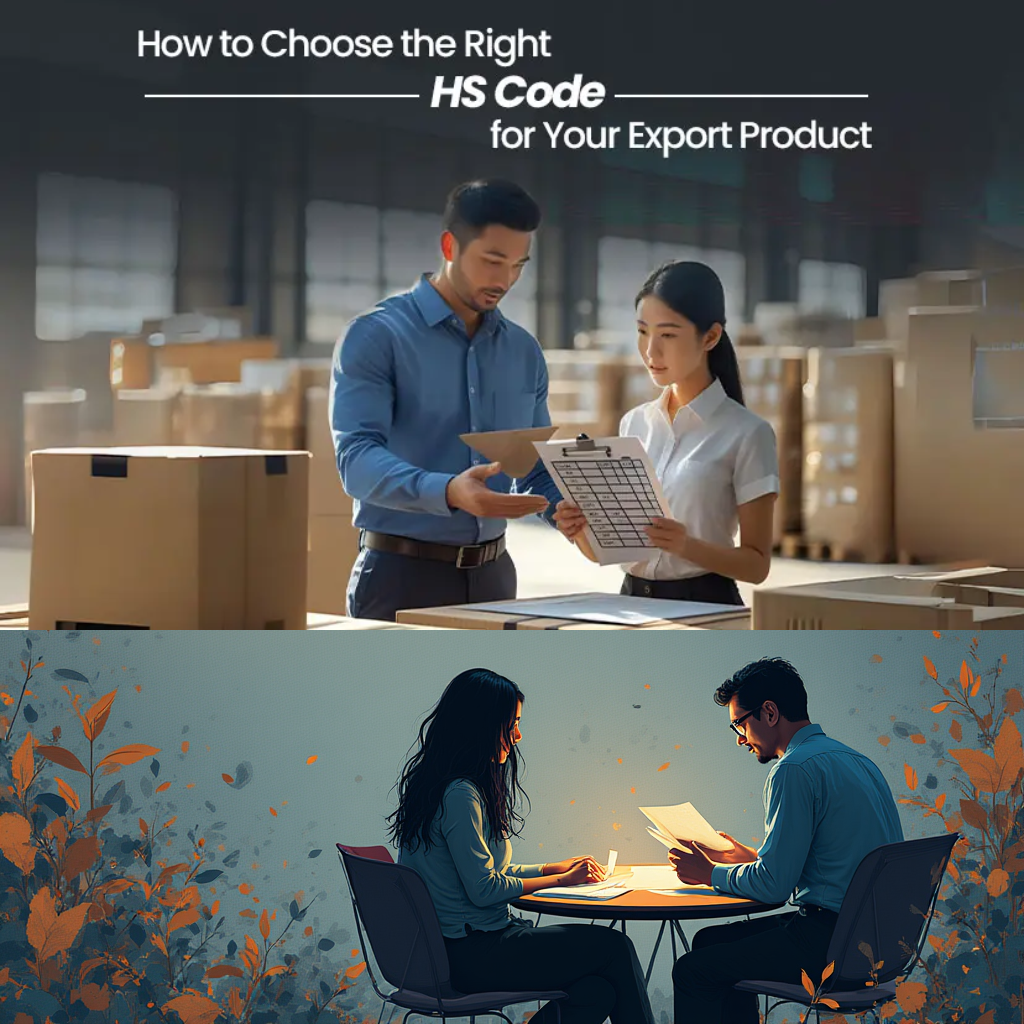
What is HS Code?
Harmonized System (HS) Code is an internationally standardized product classification code used for customs, duties, and trade statistics.
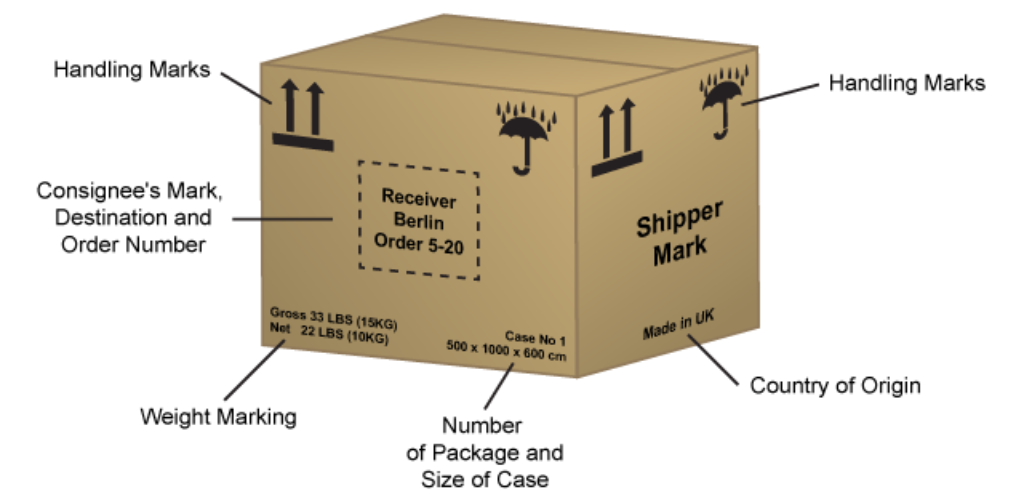
Proper packaging reflects professionalism and compliance.
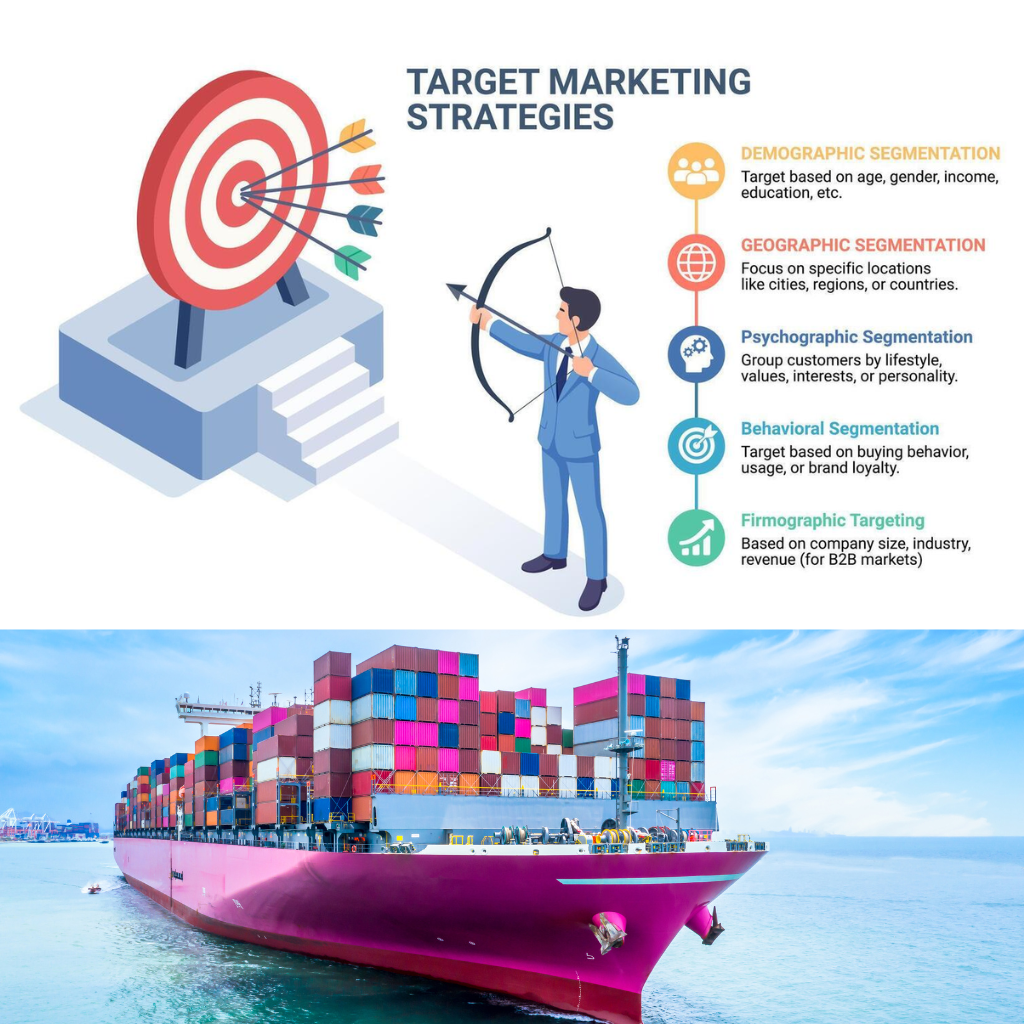
Targeting Countries & Marketing Strategy
How to Choose Export Countries:
Trade data analysis
Import trends
Competitor presence
Trade agreements
Online Marketing Tools:
Professional website
B2B portals (free & paid)
Social media marketing
Google Ads
Email marketing
Virtual trade shows
Offline Marketing Methods:
International trade fairs
Country visits
Local agents
Embassy networking
👉 Marketing creates visibility; follow up creates orders.
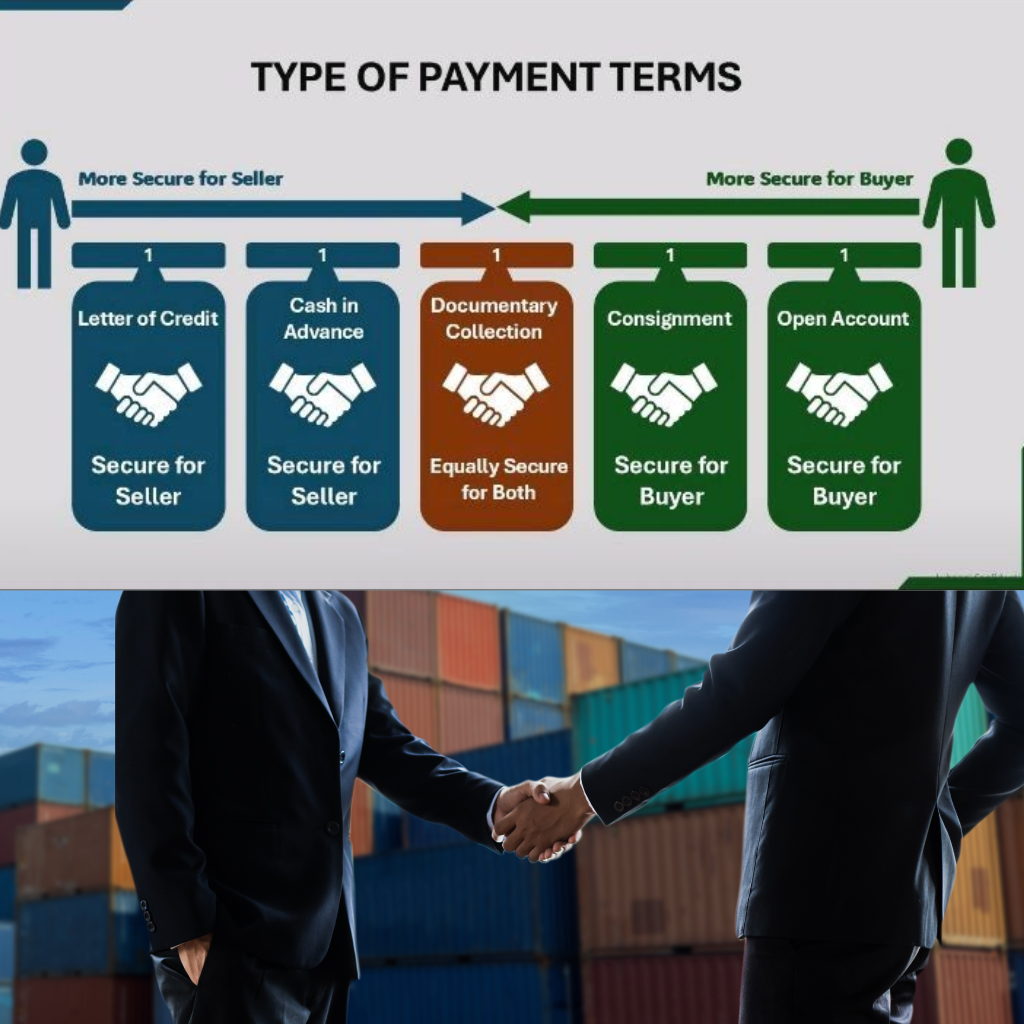
Payment Terms & Letter of Credit (LC)
Common Payment Terms:
Advance Payment
Open Account
Documentary Collection
Letter of Credit (LC)
Types of Letter of Credit:
Revocable LC
Irrevocable LC
Confirmed LC
Unconfirmed LC
Transferable LC
Back-to-Back LC
Sight LC
Deferred Payment LC
Red Clause LC
👉 LC is the safest payment method for exporters when dealing with new buyers.
Export Finance & ECGC
Export Finance:
Pre shipment finance – for production and packing
Post shipment finance – after shipment until payment
ECGC (Export Credit Guarantee Corporation):
Protects exporters from payment default
Supports banks to extend export credit
Risk management is as important as profit.
Incoterms, Transport & Freight Calculation
Incoterms (International Commercial Terms):
EXW – Ex Works
FOB – Free on Board
CIF – Cost, Insurance & Freight
DDP – Delivered Duty Paid
Modes of Transport:
Sea
Air
Road
Rail
Freight Calculation Depends On:
Weight
Volume
Destination
Mode of transport
Correct Incoterm selection avoids disputes.
Export & Import Documentation
Export Documents:
Commercial Invoice
Packing List
Shipping Bill
Bill of Lading
Certificate of Origin
Import Documents:
Bill of Entry
Invoice
Packing List
Bill of Lading
Insurance Certificate
Documentation accuracy ensures fast clearance.
Customs Clearance, BL & Factory Stuffing
Customs examination procedure
Types of Bill of Lading
Factory stuffing vs port stuffing
Benefits of factory stuffing
Clearance knowledge saves time and cost.
Government Schemes & Export Benefits
Major Export Incentive Schemes:
RoDTEP
Duty Drawback
SEIS
MAI Scheme
👉 Government incentives directly improve export profitability.
Conclusion: Your Gateway to Global Business
Import Export is not a shortcut business it is a knowledge driven, system oriented, and trust based profession. With correct understanding, disciplined execution, and continuous learning, it can provide global exposure, financial growth, and long term stability.
“Trade globally, plan smartly, and build trust success will follow.”