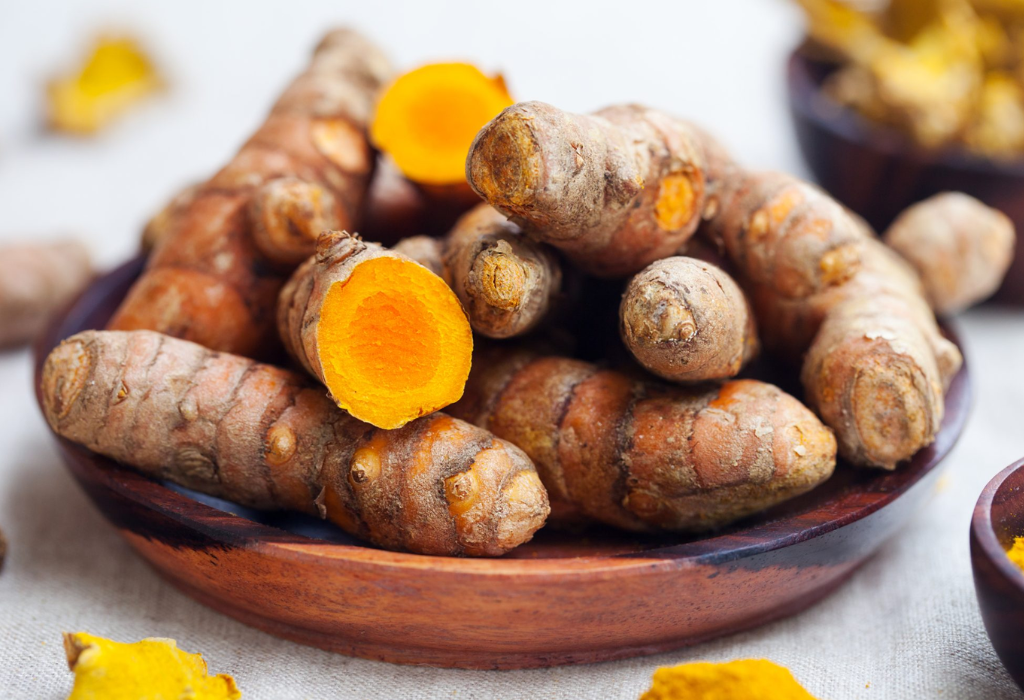
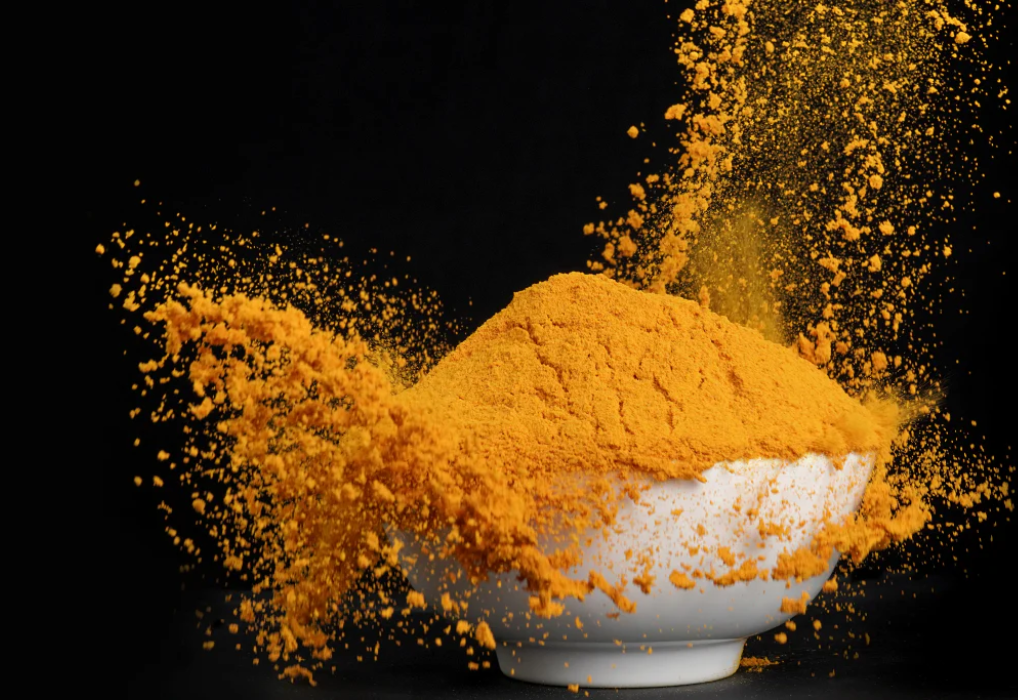
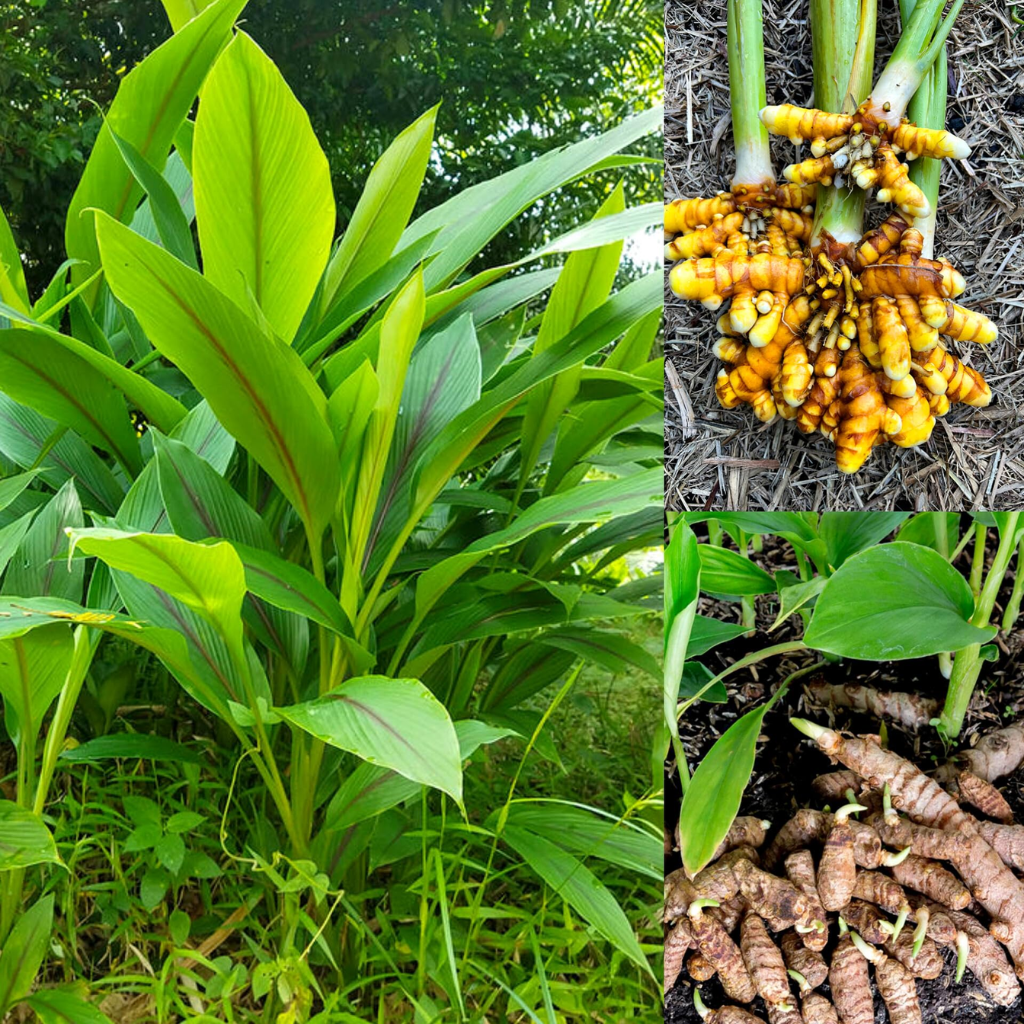
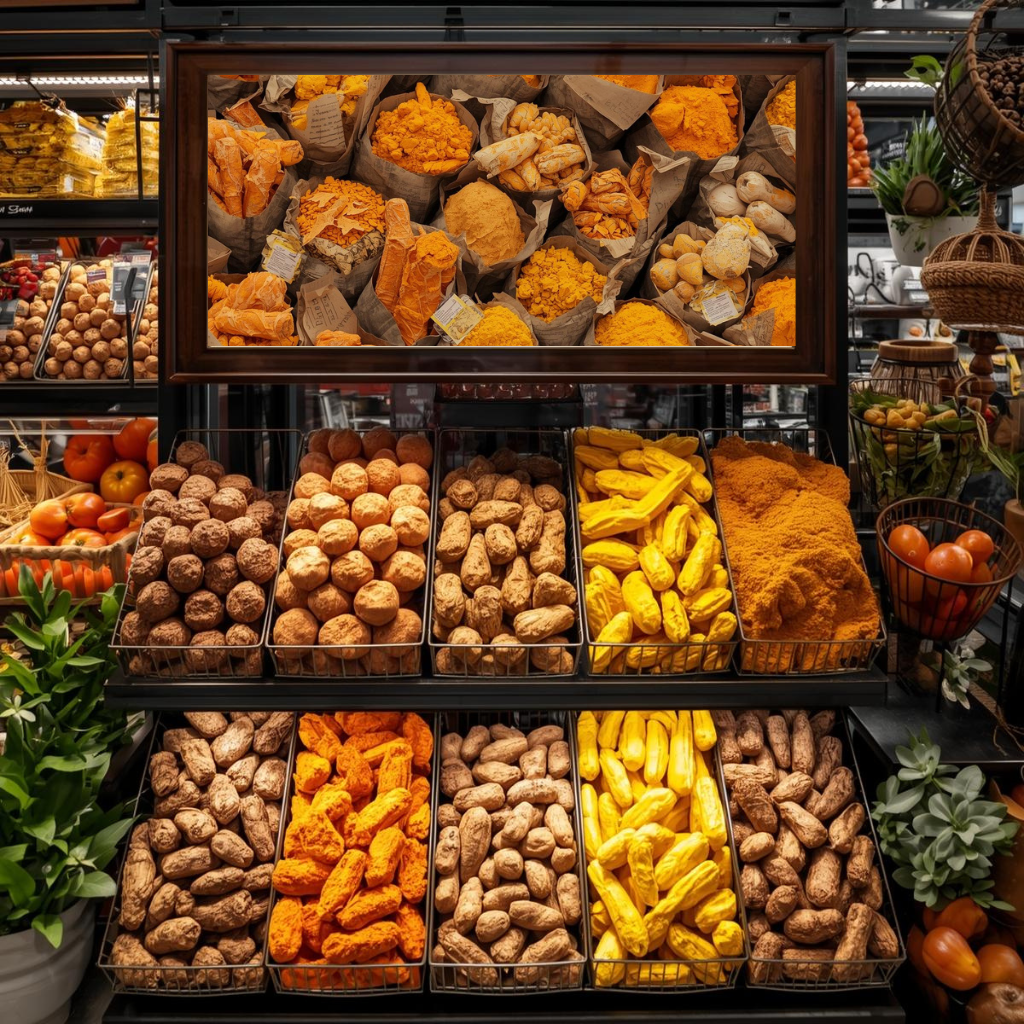
Turmeric, often called the golden root, is far more than a spice. It is memory, medicine, ritual, and livelihood woven together across centuries of Indian civilization. In kitchens, temples, farms, and now international trade corridors, turmeric holds a unique place that few agricultural products can claim. From the red laterite soil of Konkan to high-tech food and pharmaceutical industries abroad, turmeric continues its timeless journey.
This blog explores turmeric in its full depth its importance, botanical varieties, origins, health benefits, cultural roots, commercial status, and India’s strong participation in the global turmeric trade.
Importance of Turmeric: More Than a Spice
Turmeric (Curcuma longa) is valued not just for its color or flavor, but for what it represents:
A natural healer in Ayurveda and traditional medicine
A symbol of purity, prosperity, and auspiciousness in Indian rituals
A functional food ingredient with growing global demand
A commercial crop supporting millions of farmers
Its vibrant yellow pigment, curcumin, has made turmeric a staple in food, cosmetic, wellness, and pharmaceutical industries worldwide.
Botanical Identity and Varieties of Turmeric
Botanical Profile
Scientific name:Curcuma longa L.
Family: Zingiberaceae (Ginger family)
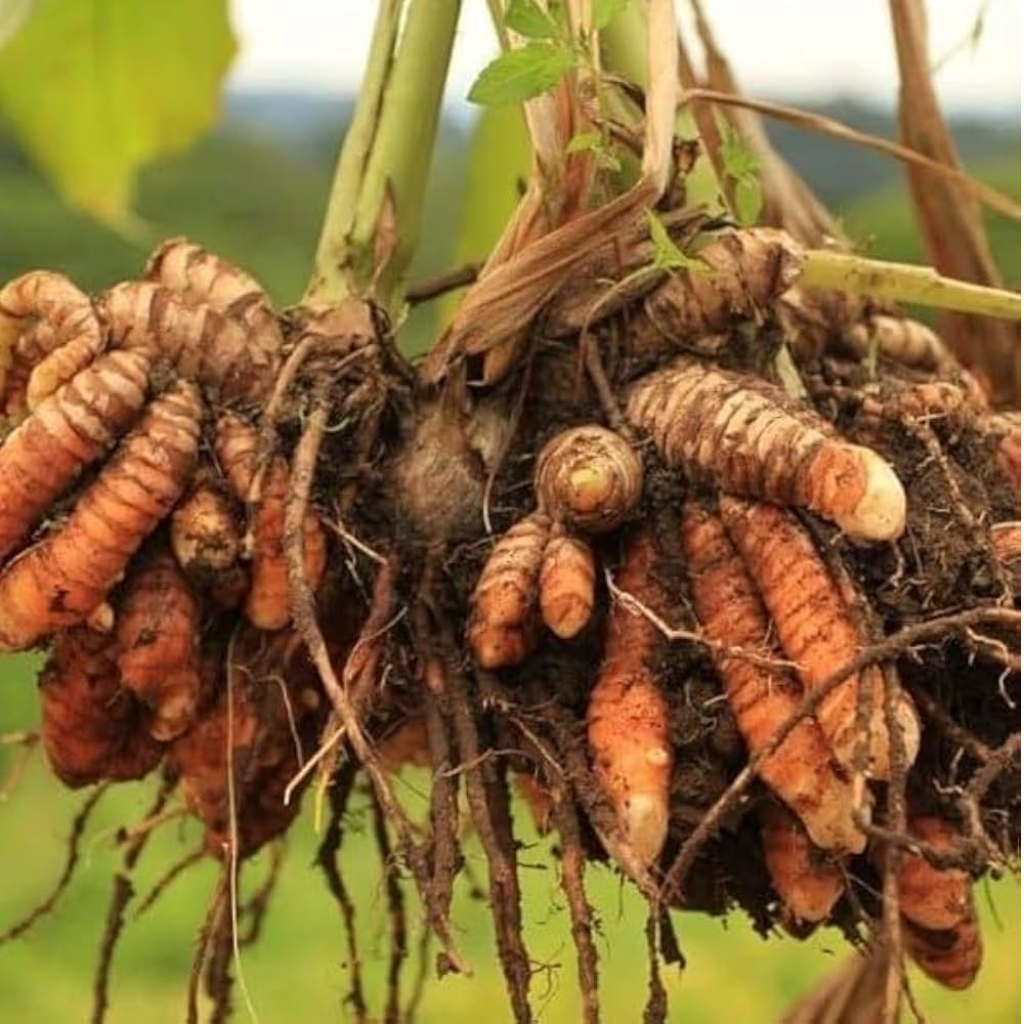
Plant type: Perennial herb with underground rhizomes
Active compound: Curcumin
Major Turmeric Varieties in India
India produces diverse turmeric varieties, each adapted to specific soil, climate, and end use requirements:
Alleppey Finger Turmeric (Curcuma longa) High curcumin content, deep yellow-orange color
Erode Turmeric (Tamil Nadu) GI tagged, widely traded globally
Salem Turmeric – Strong aroma, preferred for spice blends
Rajapuri Turmeric (Maharashtra) – Large rhizomes, popular in Konkan and Western India
Kasturi Turmeric (Curcuma aromatica) – Used in cosmetics and skincare, not for cooking
Lakadong Turmeric (Meghalaya) – Exceptionally high curcumin (7–9%)
Each variety carries a distinct biochemical fingerprint, influencing color value, aroma, oil content, and international market price.
Origin and Evolutionary Journey of Turmeric
Turmeric is believed to have originated in the Indian subcontinent over 4,000 years ago. Archaeological evidence links its use to the Indus Valley Civilization.
Historical milestones:
Used in Vedic rituals as a sacred plant
Documented in Ayurvedic texts like Charaka Samhita
Traded via ancient spice routes to Southeast Asia, China, and the Middle East
Introduced to Europe by Arab traders and later the Portuguese
Despite its global spread, turmeric has remained culturally anchored to India, which continues to dominate its production and export.
Turmeric Production: From Soil to Powder
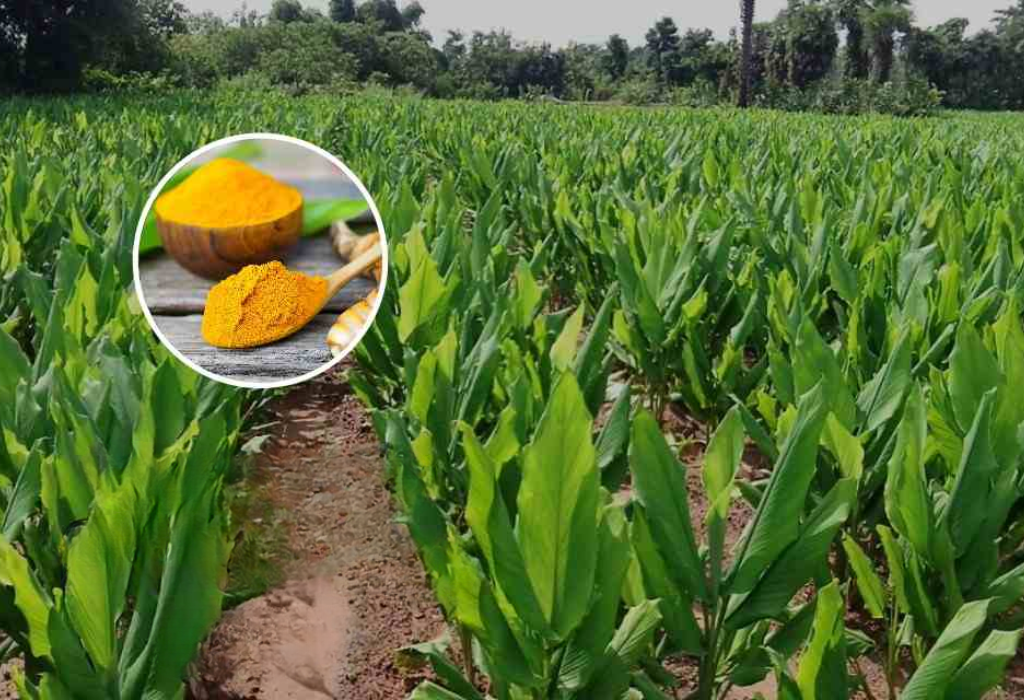
Cultivation Process
Tropical climate with 20–35°C temperature
Well-drained loamy or laterite soil
7–9 months growing cycle
Key Production Steps
Rhizome selection and planting
Natural vegetative propagation
Harvesting after leaf drying
Boiling (curing) of rhizomes
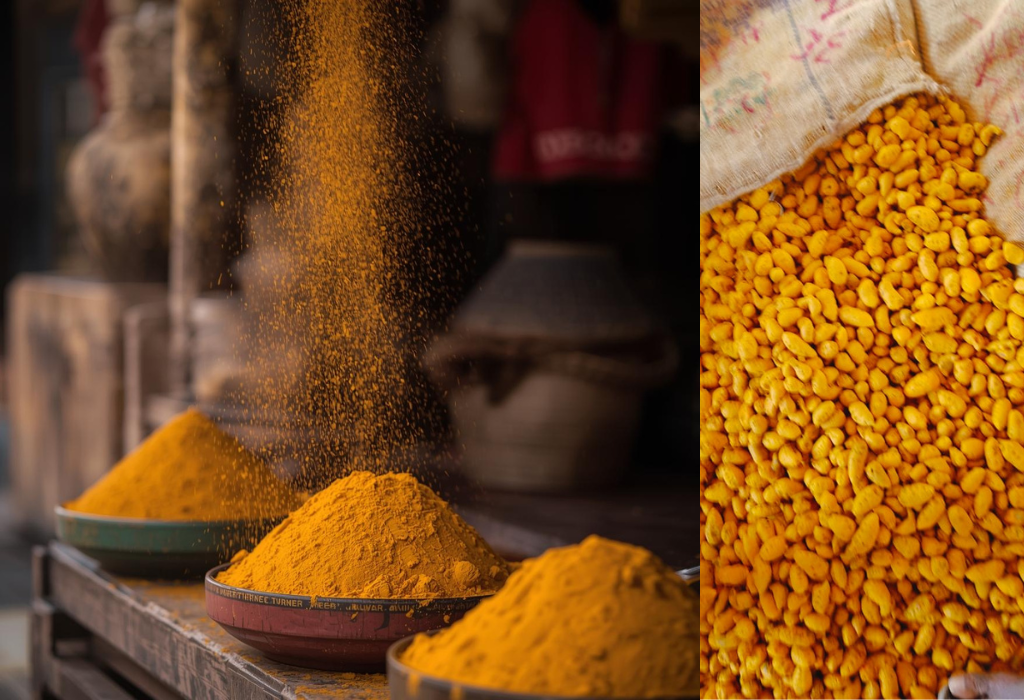
Sun or mechanical drying
Polishing and grinding
Traditional practices combined with modern processing ensure both nutritional integrity and export grade quality.
Health Benefits of Turmeric for the Human Body
Modern science continues to validate what Indian households have known for generations.
Key Benefits
Anti-inflammatory and antioxidant properties
Supports immunity and digestion
Helps in joint health and arthritis
Beneficial for skin, liver, and gut health
Potential role in metabolic and lifestyle disorder management
Turmeric is now widely used in:
Nutraceutical supplements
Herbal medicines
Functional beverages
Immunity boosting formulations
Products Derived from Turmeric
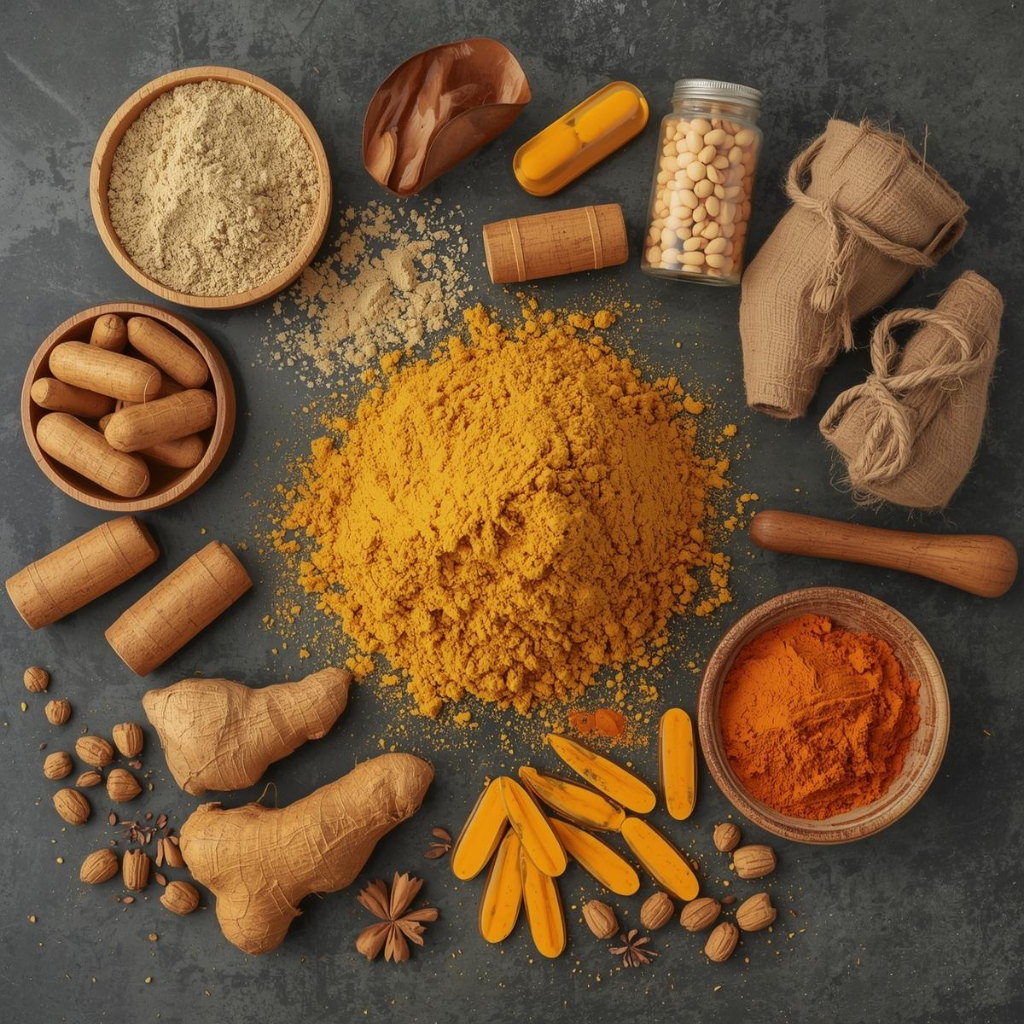
Turmeric’s versatility allows it to be processed into multiple value-added products:
Turmeric powder (food grade & export grade)
Curcumin extract
Turmeric oleoresin
Herbal capsules and tablets
Turmeric milk blends
Cosmetic creams, soaps, and ubtan
Natural dyes
These derivatives significantly increase the commercial value of raw turmeric.
History, Rituals, and Cultural Significance
In Indian culture, turmeric is inseparable from life’s milestones:
Haldi ceremony in weddings symbolizes purity and blessings
Applied during religious rituals and festivals
Used in traditional home remedies and postpartum care
Turmeric is not consumed merely as food; it is experienced as tradition.
Turmeric in Konkan: Soil, Soul, and Sentiment
In Konkan, turmeric is not an industrial crop alone. It is grown in backyards, forest edges, and small farms.
Laterite soil enhances aroma and color
Traditional seed preservation methods
Used fresh in cuisine and rituals
For Konkan households, turmeric represents self reliance, health, and ancestral wisdom. Its presence is emotional, not just economical.
Commercial Status of Turmeric Today
Turmeric has evolved into a high demand global commodity.
Current Market Trends
Rising demand for organic and traceable turmeric
Preference for high curcumin varieties
Growth in wellness and herbal product sectors
Increased focus on export quality processing
India remains the world’s largest producer, consumer, and exporter of turmeric.
India’s Role in International Turmeric Trade
India in Global Turmeric Export
Contributes over 75% of global turmeric production
Major exporter to:
USA
UAE
Europe
Middle East
Southeast Asia
Key Strengths
Diverse turmeric varieties
Competitive pricing
Established processing infrastructure
Strong APEDA and Spices Board support
Indian exporters now focus on quality compliance, certifications, and buyer trust, not just volume.
Conclusion: Turmeric as a Living Legacy
Turmeric is not frozen in history. It is alive adapting, evolving, and expanding into new global markets while remaining deeply rooted in Indian soil and culture.
From Konkan farms to international shelves, turmeric tells a story of resilience, relevance, and respect for nature. As global demand for natural and functional foods rises, turmeric stands ready golden, grounded, and globally valued.
For businesses engaged in spice exports, turmeric is not just a product. It is a promise of authenticity, tradition, and trust.